I’m Not Just Here for Today
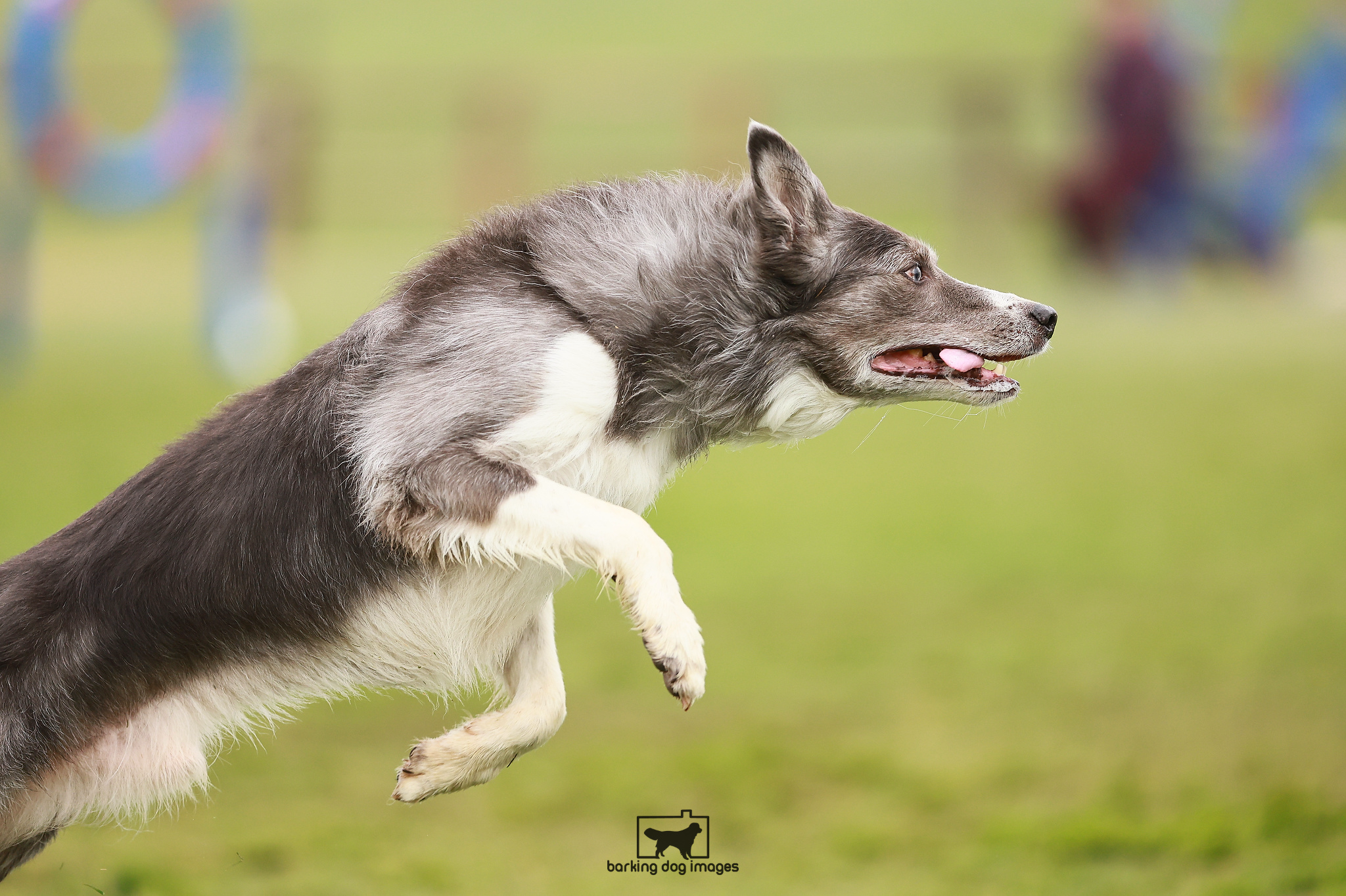
I’m not just here for today.
How to turn the page on your Agility runs.
Disclosure: This site may contain links to affiliate sites that earn me a small commission at no additional cost to you. Please know that I only recommend products and services that I personally use!
I have this little pre-trial routine. I like to listen to podcasts on mental management, to help re-orient my brain away from the immediate concerns of “what time do I need to get to the trial” and “I wonder if we’ll Q?”. It serves as a little reset to pull me out of a reactive state and to redirect my focus on my process related goals. One of my favorite podcasts for this purpose is Ben Bergeron’s Chasing Excellence. If you haven’t had a chance to listen, I highly recommend (look for the episodes with a little thought bubble emoji for mindset work). Anyways, I was listening to a recap of life lessons he’s learned through his work coaching high level athletes (listen here) and it struck me how applicable each of these are for our sport of dog agility, so I thought it would be worthwhile to expound on each lesson in a blog series discussing how each of Ben’s tactics apply specifically to our sport.
This is the first blog in the series, starting with the first lesson:
“It’s never about one event, one race, one test.”
This lesson has so much heart and meaning for me; it’s become a bit of a motto over the last few months, where I’ve taken it and turned it into “I’m not just here for today”. What I mean by that is that I’m on a journey to be the best Agility handler in the world, and I know each day, each moment, each course, each skill, each challenge is a step I need to take on the road to becoming the best. It’s all a learning opportunity, and whether I am “successful” or whether I “fail” in that instance is irrelevant; it’s a lesson I need to learn to get where I’m going.
This motto helps reassure me to do hard things. It helps bolster me when I’m worried about the outcome. When I’m leaving a course walk and thinking “I really think the course should be handled this way, but I don’t know if I can pull off this skill” I have two options:
I can “play it safe” choosing the less efficient line, or the more unclear path to cater to a handling plan that I know I can execute
Or I can take the risk, I can trust our skills, I can handle the course the way I think it should be handled and learn something about myself and my teammates as a result.
I know that a lifetime of picking the “safe choice” will not get me where I want to go. Sure it might get me through this run, it might even get me on a podium, but in the long run I’ll lose out. I’ve watched AWC, I’ve studied the best. They aren’t playing it safe, they often walk into the ring unsure that a piece of the run will go to plan, but they take the gamble and if it works it pays out in spades. If I want to be the best, I need to be willing to fail today to succeed tomorrow.
I also love this lesson because we can apply it on a micro level to our sport. In the mental management world, we so often hear about athletes struggling through the first 5 minutes, getting their jitters out, and then being able to settle into a flow state. Endurance athletes have hours to reflect on and process a portion of their event while continuing to work their way to the finish line. We don’t have hours….we don’t even have 5 minutes. We have 30 seconds to get it right. Then that course is done and we need to move on to the next thing. This gets compounded if you’re running multiple dogs.
This weekend I had 3 dogs in the same height, often with just 6 dogs in between them. That means at best I have 6 mins to reward one dog, physically recover from my run, engage with the next dog, and mentally prepare for the next run. Turning the page has become a critical skill to learn how to manage. In one of my jumping rounds, Fin had a nasty crash on the first jump. We’re talking legs tangled in the wing, moved the timers, the whole nine yards. As they reset that first jump, I was able to take a second and put the moment behind us. After checking that he was ok physically, I was able to write that jump off as just a weird accident, to turn the page, to trust my dog and run a killer run. I could have questioned and second guessed him. I could have babied his skills. I could have stared at him wondering if he was going to crash again. Each of those things has a higher likelihood of causing another crash. And in the end, we put out a fast flawless, and clean run (minus that first jump).
Once the run was over, of course I immediately had the disappointment of knowing we could have been clean if it hadn’t been for that first jump. But I had 2 more dogs to run, the next one just minutes away. Was I going to get my next dog out with that feeling of disappointment hanging over my head? We all know our emotions travel down the leash. Did I want her hopping out of the kennel feeling my frustration and sadness for an event that she has no understanding of? I knew I needed to turn the page, but it’s easier said than done (after all if just telling yourself to “let it go” worked, there wouldn’t be mental management coaches).
Fortunately, Ben has an awesome tactic for working through this in the moment. He has each of his athletes reflect on S.E.A. (strategy, execution / effort, and ability). Functionally this played out as a conversation in my head, along the lines of the following:
Strategy: “Was my strategy sound? Did I like my handling plan?” - on that run, the answer was absolutely. The lines played out exactly as I expected, and the places where I made handling choices felt fast, connected, and flowy in the moment. Ok super, I don’t need to rehash whether I should have set him up differently or changed my handling of the first jump.
Ability: “Did we have the skills to handle the challenges presented in that course?” - again an unequivocal yes. There was nothing out there that made me think “gee I need to train that better” or “wow he really didn’t understand that skill”.
Execution: “Did I execute to the best of my ability? Was I excellent on my end of the leash?” - again an unequivocal yes. I handled each challenge perfectly, I stayed in the moment, in flow with Fin.
Notice on that last point, I’m specifically not talking about him and his execution. That’s on purpose. Dogs are not robots, and sometimes weird things just happen. I’ve done enough mental work to know that there are things that I cannot control (sometimes dogs slip and knock a bar, sometimes they don’t hit their contact) and worrying / obsessing over these things is the road to destruction.
So in a few simple questions, I was able to reassure myself that my handling plan was solid, my dogs have the skill to do it, and I have the ability to execute it. Ok, then what am I worrying about as I go to get my next dog? The answer is nothing. I put that run behind us, happily got her out of the crate and went out and ran a clean run.
The faster we are able to turn the page, the better performance you will have with your next dog, in the next course, on the next day, at the next trial. Learn to review your runs un-emotionally and non-judgementally so that you can take the learning opportunities that serve you, but leave the baggage behind. Don’t take each mistake as a indictment on who you are as a person. Don’t tie your “failures” in the ring to your entire self-worth. Rather, learn the lessons there are to learn, but move on from the judgement, the obsessing, the negative self-talk so you can reach your peak potential as a handler.
That’s all for this post, but stay tuned as we’ve got 9 more lessons to go!
Need Help?
If you’ve been feeling stuck on a plateau, I’d love to help you level up your agility game! Shoot me an email to see if Online High Performance Coaching might be a good fit for you.